

971 E 9th St, Chico, CA 95928

Why Vehicle Preparation Matters Most When Conditions Are Worst
April 3, 2026
A while back, we had to make our monthly business trip to “The City.” And when I say The City, I mean heading south from our mostly quiet, mostly peaceful, still somewhat rural town in Northern California—down to Palo Alto. (I know, I know! My definition of “The City” is probably very different from yours!)
The weather leading up to the trip had been rough—wet, windy, and, remarkably, we had even seen a bit of snow for the first time since 1983. Knowing what we might be driving into, I had our shop technicians inspect the Subaru. It needed new wiper blades, was due for an oil change, and was in desperate need of new tires—the tread was well into the red.
With fresh Cooper tires, new wiper blades, and a fresh oil and filter change, we set off at the crack of dawn for what should have been a straightforward 400-mile round trip. It rained the ENTIRE time.
What is it about rain that seems to turn everyone into terrible drivers? The California Basic Speed Law is simple: never drive faster than is safe for conditions—regardless of the posted speed. It definitely doesn’t say drive like a maniac, weave through traffic without signals and slam on the brakes at random.
The drive down wasn’t too bad. We left early enough to avoid the worst of the morning traffic and made it to our destination without much trouble. The drive back, however, was something else entirely.
We left Palo Alto a little after two pm, expecting a relatively smooth return. Within ten minutes of getting on the freeway, Google Maps rerouted us due to a traffic accident ahead. Then it rerouted us again. And again. And again. Every change was because of another accident.
At one point, I watched a Peterbilt in the lane next to us lock up its brakes, its trailer fishtailing behind. The semitruck came within inches of rear-ending the car beside us. It felt like everything played out in slow motion and there was nothing anyone could do but hope.
Somehow, we ended up winding through downtown San Francisco, crawling up narrow, steep streets only to dead-end into nonstop cross traffic. I was stressed—but also incredibly thankful we were in the little Subaru and not our huge F-350 dually. There is no way that truck would have made it through some of those side streets.
What should have been a three-and-a-half-hour drive home turned into more than six and a half hours, most of it spent in stop-and-go traffic. But through all of it, I found myself feeling grateful.
I was grateful we lived in a smaller, mostly quiet, mostly rural part of the state. Grateful we had chosen the right vehicle. Grateful I had taken the time to have our technicians do a full vehicle inspection—checking the brakes, fluids, and overall condition. And, especially grateful we had replaced those worn-out tires before the trip.
Because when conditions are at their worst—when the roads are slick, visibility is low, and other drivers are unpredictable—you don’t get to control everything. But you can control how you prepare your vehicle.
In the end, that preparation made all the difference. It turned a stressful, unpredictable trip into one we made safely—and sometimes, that peace of mind is worth more than anything else when on the road.
And, speaking of vehicle preparation, the first thing I did when we returned was order a bunch of aftermarket LED third-brake lights for all our vehicles. You know, the ones that flash when the brake pedal is engaged? There are quite a few options out there from sequential LED lighting that fits into the existing vehicle third brake light mount to strip lighting. It can never hurt to make braking even more obvious with bright flashing red lights! Am I right?

Searching for a reliable used car? Learn how our team helped a college student choose a dependable, affordable Honda Civic over flashier options.
Recently, someone very close to me—let’s call her Kay—purchased a brand-new vehicle. I won’t mention the make, model, or dealership. I will say it’s one of the most popular vehicles from one of the world’s leading manufacturers, with a strong reputation for longevity when properly maintained. Kay has been extremely happy with both her purchase and her experience at the dealership. She loves her new vehicle, and as of this writing, she’s already put about 15,000 miles on it. At the time of purchase, Kay also opted for an extended warranty from the dealer. The extended warranty covers basic maintenance for up to 60k miles— oil changes, tire rotations, and fluid checks. The other day, Kay shared her experience during her first scheduled maintenance visit. She brought her vehicle into the dealership for routine warranty service: an oil change, tire rotation, and fluid inspection. However, when she was presented with the work order, she was surprised to see over $500 in additional “necessary” services. Kay explained to the service advisor that she only wanted the maintenance covered under her warranty. At that point, the advisor became somewhat aggressive, insisting that these additional services were required at every visit if she wanted her vehicle to last. Kay stood her ground. She looked him in the eye and said, “No. I only want the services included in my warranty—oil change, tire rotation, fluid check, etc. I don’t want anything else. If my brand-new vehicle can’t make it to 60,000 miles without all this extra work every time I come in, then I won’t be buying another vehicle from you.” The service advisor fell silent, then quietly rewrote the work order according to her request. It’s no secret that additional “recommended” services are a significant source of revenue for dealerships. Unfortunately, Kay didn’t receive a copy of the original estimate, so I can’t say with certainty whether any of those recommendations were justified at 15,000 miles. However, I did review the manufacturer’s maintenance schedule in our system. At 15,000 miles, the only additional items listed were basic visual inspections—brakes, steering components, ball joints, and similar systems. Frankly, we perform all of these checks—and more—as part of our one-hour vehicle inspections, and at a significantly lower cost. This leads me to one of these conclusions: either A) the service advisor was recommending services Kay did not actually need, or B) the dealership charges over $500 for roughly 30 minutes of visual inspection work not covered by the warranty, and/or maybe, C) Kay was confused about what was covered, what was needed and/or what was required for her warranty to remain valid. To be fair, I don’t have the full documentation, so I can’t speak to the exact details. I do know, however, that Kay is not prone to exaggeration. More importantly, the key takeaways below remain valid regardless of this specific situation. The following tips are sourced directly from the Bureau of Automotive Repair’s website, Maintenance and repairs - Bureau of Automotive Repair . *Check your warranty coverage When taking your vehicle for repairs, make sure you understand your warranty coverage. The warranty is a repair contract that covers defects or damages from regular use. This helps protect you from paying out-of-pocket fees if your vehicle needs repairs. Here are some important things to know about vehicle warranties: Your warranty does not cover regular maintenance or parts that wear down with normal use. The warranty period is a set amount of time or miles—often three years/36,000 miles. But you may have more coverage for emissions parts and repairs. Find your warranty details in your owner's manual or by contacting the manufacturer. You can get warranty repairs at any auto shop, not just the dealership. You do not need to take your vehicle to the dealership for warranty repairs. By law, your vehicle warranty will stay in effect if you get repairs or maintenance at another auto shop. The shop must use appropriate parts and procedures. Learn more about your vehicle warranty rights . You may consider an extended warranty or service contract. Dealerships offer these at an extra cost for new and used vehicles. Be sure to carefully review the terms and conditions before you commit. The California Department of Insurance can help you choose the option that is right for you. The Federal Trade Commission also offers guidance you may find helpful. You may get a replacement or refund under California's Lemon Law. The Lemon Law protects you when your new or leased vehicle has a major warranty defect. The manufacturer has a reasonable number of attempts to fix the defect. If they cannot repair the defect, you may get your vehicle replaced or repurchased. Learn more about California's Lemon Law . A key takeaway is that you do not need to return to the dealership for routine maintenance in order to keep your vehicle’s warranty intact. In California, you are free to have your vehicle serviced at any qualified automotive repair shop. In many cases, the maintenance required at standard service intervals can be performed at a significantly lower cost by independent shops—like ours—simply because the labor rates are often lower than those at dealerships. That said, it’s essential not to miss scheduled services and to keep detailed records of all maintenance performed. Proper documentation ensures your warranty remains valid should an issue arise. Another key takeaway is that both the California Department of Insurance and The Federal Trade Commission are recommended sources of help when considering purchasing an extended warranty for your new vehicle. They are there to provide this service to consumers so it makes sense to utilize one or both of these agencies when considering the pros and cons of an extended warranty and which options might be right for you. (We have not used this service as it’s been over 20 years since one of us purchased a brand-new vehicle from a dealer.) The Maintenance and repairs - Bureau of Automotive Repair also includes a note about California's Lemon Law . The California Lemon Law is in place to protect consumers. Unfortunately, we DO have first-hand experience going through the Lemon Law process. If interested, you can read an entertaining piece from our previous blog, A Lemon of a Truck: The Wild Ride of Our 6.0L F350 . (Note: yes, this was our last new vehicle purchased from the dealer.) As I mentioned earlier, Kay and I are very close. I advised her to review her workorder carefully to confirm that all items included in her vehicle’s 15,000-mile service, which can also be found in the owner’s manual, were properly completed during her dealership visit. After all, no one wants to accidentally void their warranty. As it turns out, the answer was no, the entire 15k mile inspection had not been completed. In fact, the oil was not even changed! The fluids were not listed on the tag as being checked and/or topped off either. The only thing done for the extended warranty was the tires were rotated. It appears that the additional $500 was indeed to complete the remaining “visual inspection” items listed for the 15k mile service inspection, as well as the oil change and fluid check. Needless to say, Kay is not very happy about her experience and now is thinking it may have been a mistake to purchase the extended warranty from the dealership. It seems she did not really understand what was included with the purchase.
In 2003, Ford introduced the 6.0L Power Stroke Diesel engine, aiming to replace the legendary 7.3L with promises of better performance and cleaner emissions. On paper, it sounded like a win. In reality? Not so much. (Note: the engine was only available from 2003 to 2009. That’s only 6 years!) The 6.0L was plagued with issues from the start. Early models suffered from faulty software that disrupted the fuel injection system. This caused a huge problem. However, it’s been reported that most of the problems owners experienced were within the emissions system. Specifically, the recirculation of the exhaust system and the inefficiency of the EGR to recirculate properly. The result was clogging, causing the system to run too hot. This led to much larger problems, like the failure of a head gasket. Eager to try the new technology and unaware of any red-flags, we took the bait. We sold our rock-solid 90s 7.3L F350 (a decision we still regret) and bought a brand-new, custom 6.0L F350. That decision kicked off a saga we’ll never forget. Breakdowns and Breakups The second time we drove the truck, it broke down and had to be towed. It sat at the dealership for over a month. Over the next year, it spent more time in the dealer’s shop than in our driveway. The dealership had to remove the entire crew cab — not once, but three times — to access the engine. Eventually, we’d had enough. The dealer wouldn’t make it right, so we turned to California’s Lemon Law. With a good attorney, we won the case. The Lemon Lives On Because we’d purchased the 6.0 out-right with cash, we kept the truck. Being a professional mechanic shop, we took the time to get it running properly and promptly listed it for sale on Craigslist. That’s when things got even crazier. During the very first call from a potential buyer, a drunk driver (at ~11 a.m., no less!) slammed into the parked truck outside our shop. The impact was so violent it launched the F350 — manual transmission, e-brake on — several dozen yards down the road into another parked car. Unsurprisingly, the buyer hung up. The truck was totaled by the insurance company. We bought it back and relisted it as a wrecked project truck. Almost immediately, a buyer from Minnesota reached out. He bought the truck and contracted with us to make it road worthy for the drive home before flying out to pick it up. A few days later, he called to say he’d made it back safely and much later sent photos of the truck, fully restored with fresh paint and shiny chrome. It looked incredible. The Final Twist Many months later, we got another photo from the 6.0 buyer from Minnesota — this time, the truck was submerged at the bottom of a boat ramp, trailer still attached. The picture showed the gentleman standing up through the sunroof with water three-quarters of the way up the windows. The e-brake had failed while he was launching his boat. The 6.0 was totaled again. Moral of the Story Don’t be the first to trust new tech — let others work out the bugs. (Sometimes this process can take years!) Lemon Laws exist for a reason. Know your rights. Sometimes, life really is stranger than fiction. (Truly!) (History of the 6.0L Power Stroke Diesel Engine - Ford-Trucks.com www.ford-trucks.com/articles/history-of-the-6-0l-power-stroke-diesel-engine
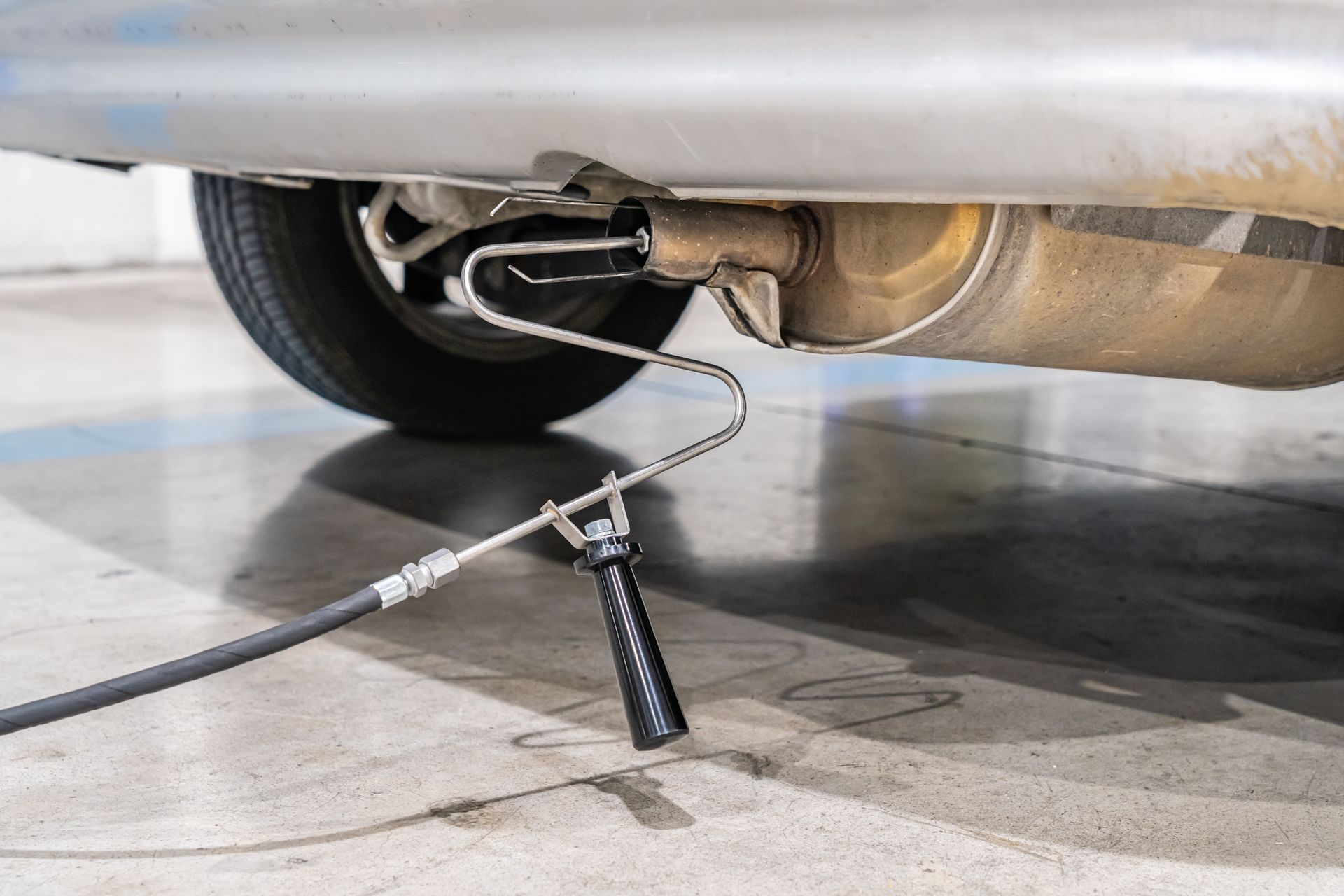
If you live in California, chances are good you’ve had to deal with a smog check. For our family, 2025 is shaping up to be a full-on "smog year," with all our vehicles due for their biennial tests. Last month, it was time for our trusty 1994 Toyota 4Runner to go through the process. I’ll be honest—I always get a little nervous around smog check time. Even though I’ve never had a vehicle fail, there's always that little worry in the back of my mind. Turns out, I had nothing to worry about. Not only did the 4Runner pass—it passed with flying colors! In Fact, the CO2 levels at idle were just 0.04%, and at 2500 RPM they were 0.07%. The legal limit in California is 1%, so it wasn’t even close! So how does a 30+ year-old SUV achieve results like that? One word: maintenance . The Power of Preventive Maintenance Regular maintenance is what keeps this aging 4Runner running clean and efficient. Staying on top of leaks, oil changes, spark plugs, filters, tire pressure and so on may seem basic, but over time, those small efforts add up. Not only does proper maintenance help reduce emissions, but it can also improve fuel economy, extend the life of the vehicle, and save money in the long run. According to the U.S. Environmental Protection Agency (as of this publication), the average gas-powered vehicle emits about 400 grams of CO2 per mile. Burn one gallon of gas, and you’re producing nearly 9,000 grams of CO2. It adds up—on average, that’s about 4.6 metric tons of CO2 per year per car. In addition to carbon dioxide (CO2), gasoline powered vehicles produce methane (CH4) and nitrous oxide (N2O) from the tailpipe and ALL vehicles can emit hydrofluorocarbon (HFC) from leaking air conditioners (including EVs!). The emissions of HFCs are small in comparison to CO2 for gas powered vehicles; however, the impact of these emissions can be important because they have the potential to be more harmful than CO2. Electric vehicles also emit greenhouse gases (GHGs) due to air conditioner/HFC leakage. ( www.epa.gov/greenvehicles/greenhouse-gas-emissions-typical-passenger-vehicle ) What Is Smog, And, Why is it Important? The term "smog" was first used in the early 1900s to describe a mix of smoke and fog. The smoke was usually the result of burning coal which was common in industrial areas. Smog is still common today in big cities with a lot of industry and traffic. Cities located in basins surrounded by mountains may have a greater potential for smog problems because the smog is trapped in the valley and cannot be carried away by wind. Most of the smog we see today is photochemical smog. Photochemical smog is produced when sunlight reacts with nitrogen oxides and at least one volatile organic compound (VOC) in the atmosphere. Nitrogen oxides come from car exhaust, coal power plants, and factory emissions. VOCs are released from gasoline, paints, and many cleaning solvents. When sunlight hits these chemicals, they form airborne particles and ground-level ozone—or smog. ( https://education.nationalgeographic.org/resource/smog ) In California, smog is more than just a health and environmental concern—it's a regulatory issue. The California Air Resources Control Board (CARB) is the regulatory body charged with protecting residents from harmful air pollutants. It focuses on California’s air quality challenges by setting the state’s own emissions standards for a range of statewide pollution sources including vehicles, fuels, consumer products (such as aftermarket parts), manufacturing, burn days, etc. CARB is part of a coordinated three-tiered approach to minimize air pollution. The United States Environmental Protection Agency (EPA) sets nationwide air quality and emissions standards and oversees enforcement. Additionally, there are thirty-five local air pollution control districts in California that regulate emissions from businesses and stationary facilities, ranging from oil refineries to auto body shops and dry cleaners. ( About | California Air Resources Board ) The state’s Smog Check Program , run by the Bureau of Automotive Repair (BAR), is designed to keep emissions in check and improve air quality. Depending on your car's age and type, a smog check may include: Visual inspection of emissions-control equipment and systems. Functional inspection of the vehicle’s check engine light, ignition timing, exhaust gas recirculation system, fuel evaporative system, and gas cap. Functional inspection of the vehicle’s on-board diagnostic (OBD) system. Tailpipe emissions inspection. BAR also offers other programs to help lower income Californians such as the Repair Assistance Program and the Vehicle Retirement Program. You can learn more at www.bar.ca.gov . Small Habits, Big Impact The good news? We can all play a part in reducing smog—and it doesn’t require a major lifestyle overhaul! Here are a few simple changes that make a big difference: Follow your vehicle service maintenance schedule (oil changes, tune-ups, air filter, tire pressure, etc.). (So Important!!!) Fuel up during cooler parts of the day (evening or early morning) to prevent ozone formation. Support local service shops—boosts the local economy and keeps your car in top shape. Plan your route – try to do things like going to work and doing errands on the most efficient route. This minimizes milage, fuel consumption, wear and tear on your vehicle as well as emissions! Another example of air quality friendly behaviors includes buying less and buying local. Manufacturing causes air pollution. Transporting goods causes air pollution. By buying less and buying local you have direct control over reducing your own impact on air quality and the environment. As an added bonus, buying less and buying local stimulates the local economy and goes hand in hand with the idea of Reduce, Reuse and last, Recycle . These small actions not only help improve air quality, but they can also save you money and extend your car’s lifespan, all while supporting your local community and the environment as a whole. That’s what we call a win-win-win-win! Final Thoughts When my old 1994 4Runner passed the smog test with almost zero emissions, it was a happy moment—not just because the SUV passed, but because it proved that regular care really does pay off. Cleaner air, better mileage, and a vehicle that just keeps going and going and going…..
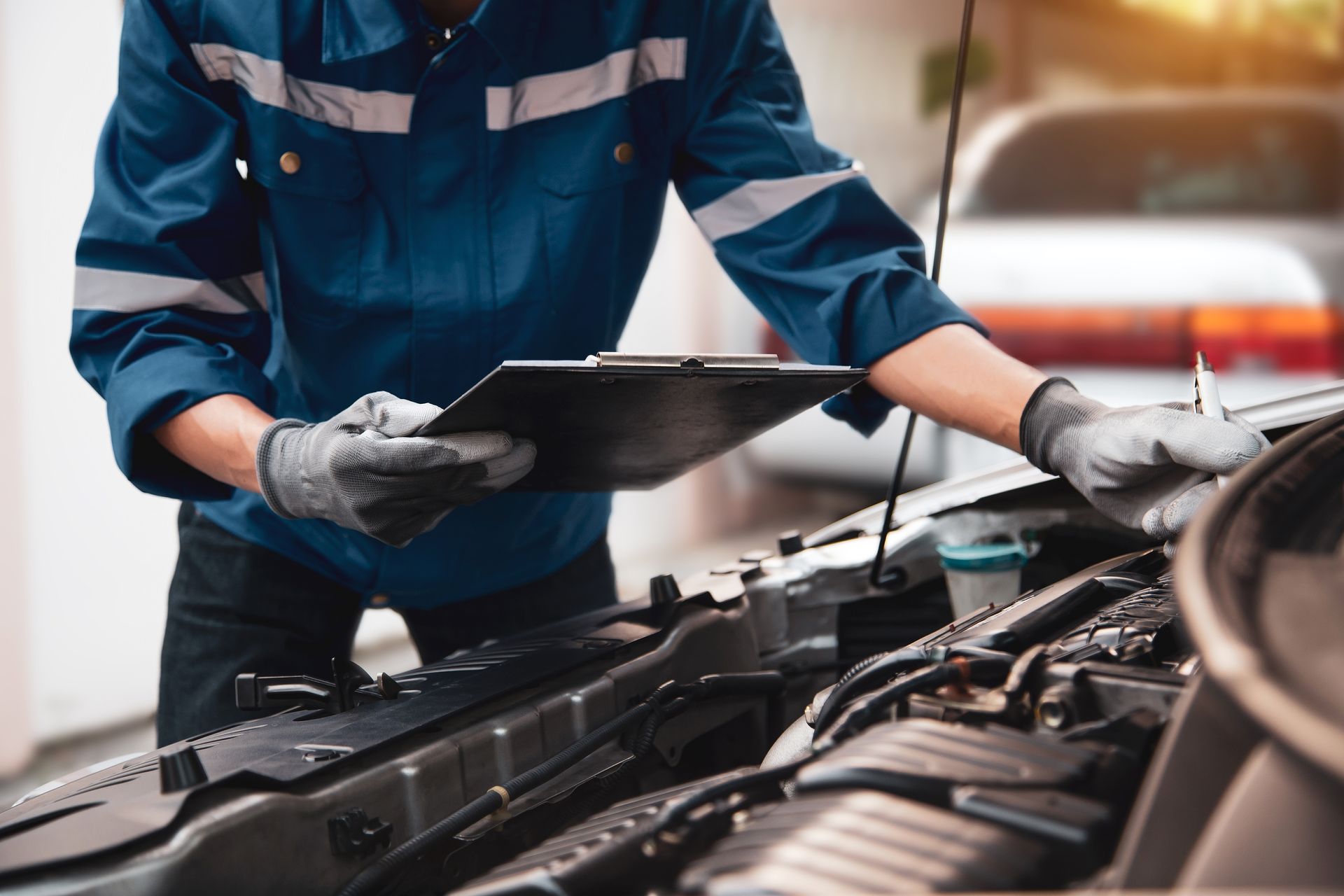
A good product warranty can save you time, money, and stress. Many consumers are drawn to products because the promise of a warranty leading them to believe that any issues with the product will be covered by the manufacturer or distributor. But what happens when things go wrong, and the warranty process is frustrating, complicated, or inadequate? Too often, customers find that the warranty process is so time-consuming or difficult that they give up entirely. Worse yet, some discover their warranty offers very little coverage or none at all, leaving them with nothing but a broken product. This is especially true when it comes to essential products like automotive parts. When an automotive part fails, it’s more than just a minor inconvenience—it can disrupt your whole day (week?) and cost both time and money. When a part we’ve installed for a customer fails, no one is happy. Our customer is upset because they’ve already spent money and time getting their vehicle fixed. We, as the shop that installed the part, are upset too, because we’ve already spent time and resources diagnosing, ordering, and installing said part. Now, we’re faced with the task of doing the same job all over again while oftentimes dealing with an understandably frustrated customer. If the product in question doesn’t have a reliable warranty or a company backing it, we’re left with a tough choice: either we eat the cost of replacing the part (both parts and labor) and do the work again FOR FREE or we charge the customer for the same repair again, potentially frustrating them further. Either option is a lose-lose situation. Why Warranty Matters for Automotive Parts At Payless 4 Wheel Drive & Auto Center, we believe using products with solid warranties is essential. A strong warranty often correlates with a high-quality product. Companies that stand behind their products with comprehensive warranties want to ensure their reputation remains intact and that their customers are satisfied. They know that a defective part can damage their bottom line, and they don’t want to waste resources on subpar products. Over the years, we’ve cultivated relationships with top-tier automotive manufacturers and distributors who not only create excellent products but are also committed to standing behind them with strong, straightforward warranties. We work diligently to source products directly from manufacturers or distributors that offer a hassle-free warranty process. The best warranties cover both parts and labor, meaning that if something goes wrong, the customer doesn’t have to pay anything out of pocket for repairs. In fact, many of the parts we use come with lifetime warranties that cover part defects as well as labor. However, in today’s market, finding these kinds of comprehensive warranties can be a challenge, especially as many manufacturers/distributors are scaling back on warranty coverage. But that doesn’t mean we settle for less—we do our best to ensure that every product we use is backed by a warranty we can trust. What to Look for in a Warranty When shopping for automotive parts, whether at a shop or online, it’s crucial to ask the right questions about the warranty that comes with the product. A strong warranty not only provides peace of mind but can also save you from unexpected expenses in the future. Here are some important questions to ask: How long does the warranty last? What exactly does the warranty cover? Does the warranty cover both parts and labor? If labor is covered, does the warranty cover all the labor required to remove and replace the defective part, or only a portion? Does the shop handle the warranty claim, or does the consumer need to do it? What is the warranty process should the part fail? Does the shop have a successful history with the product and/or warranty claims with the manufacturer? Is there a better product/warranty option that should be considered? How is the warranty handled if the parts are purchased from an online storefront? If something else is damaged when the part fails, will all parts and labor be covered? The Value of Investing in a Quality Warranty In some cases, quality parts with better warranties may be comparable in price to lesser-quality ones. However, it usually works out that spending a little more on a higher-quality part with a better warranty will save you money—and headaches—in the long run. For example, several years ago, we installed a new transmission for a customer. While the transmission was more expensive than others, it came with an unbeatable product reputation and warranty. Several weeks later, the transmission failed while our customer was in Canada. Thanks to the company’s excellent warranty, everything was covered —replacement transmission, labor costs, hotel, and rental car fees—without a hitch. This is a perfect example of how a great warranty works in practice. Final Thoughts: The Bottom Line Whether you're buying automotive parts online, at a store, or getting your vehicle serviced at a shop, remember: not all parts are created equal. A product’s true value isn’t just in its price or appearance, but in the warranty that backs it up. When choosing parts, always consider the quality of the warranty—it can be the difference between a smooth, hassle-free experience and a costly, frustrating one. At Payless 4 Wheel Drive & Auto Center, we are committed to using products with the best warranties available. We strive to ensure that every part we install is supported by a company who stands behind it. We want to make your experience as safe and stress-free as possible—because we know that a product is only as good as its warranty.
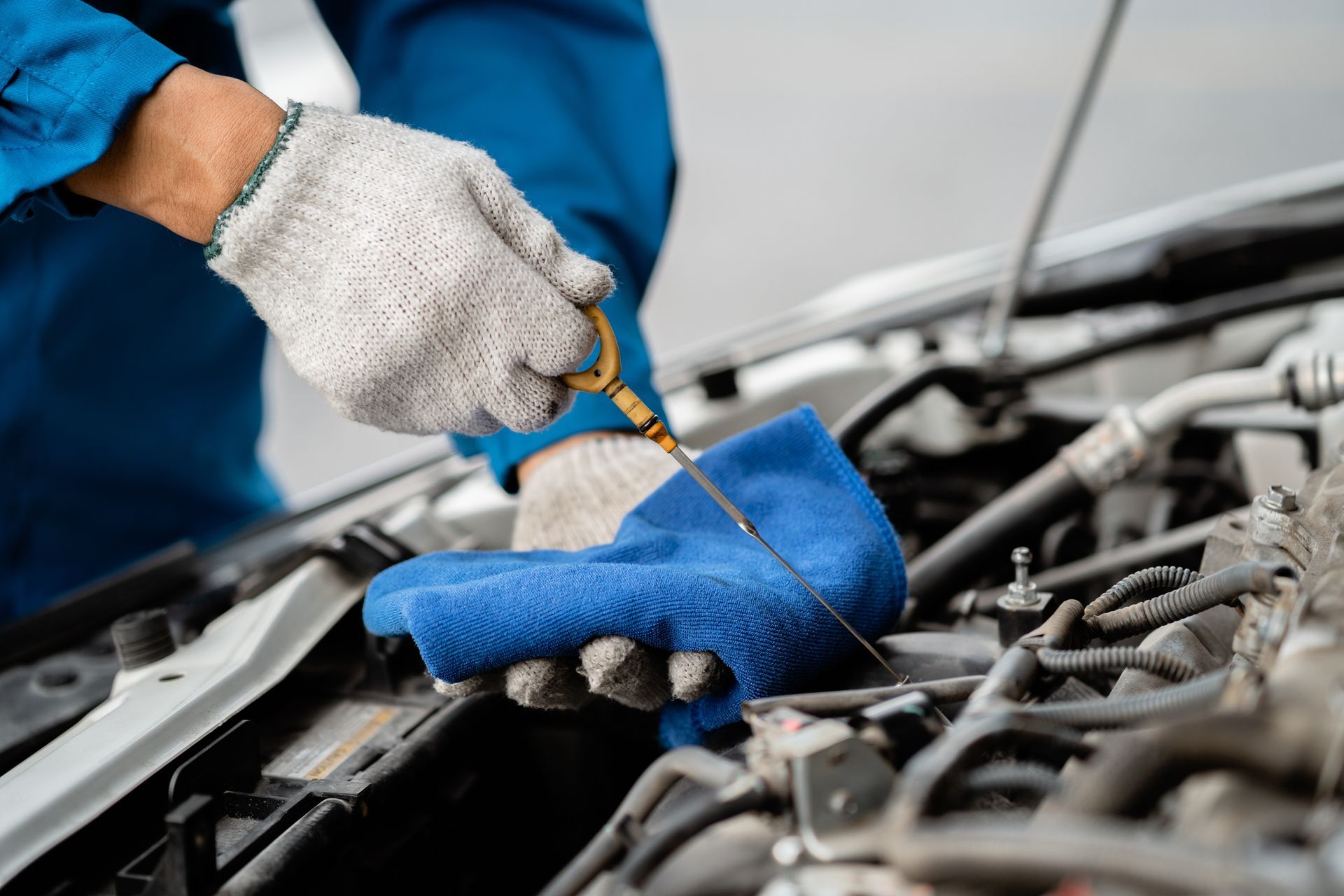
A few Words about Vehicle Maintenance……
Okay, let’s be honest. Most of us probably only think about our vehicle when there is a problem. For example, our car gets dirty, so we wash it. We run low on fuel, so we think, “Ah! Where is the nearest gas station!”. Our car isn’t running right, our “check engine” light comes on, or we don’t pass smog and we realize, “We need a mechanic!”
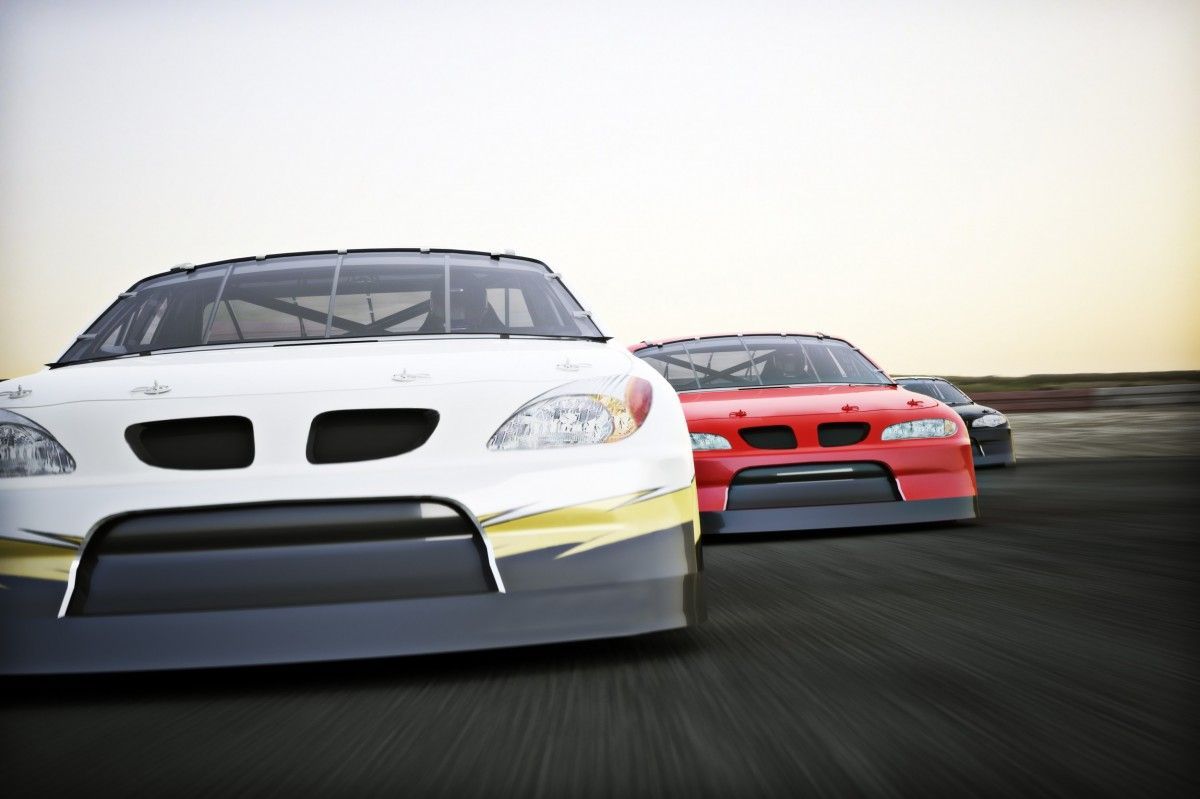
JASPER Engines and Transmissions is pleased to announce that the JASPER 4-Speed Transmission is being used by 28 team/driver combinations in the 2022 NASCAR Xfinity Series season.This is an exciting leap as the same transmission was used by 12 team/driver combinations in the series in 2021. These team/driver combinations accounted for 19 wins, 84 top-five finishes, and 147 top-ten finishes for the 2021 season.

Here at Custom Sleepers, we take pride in our work and that’s why we choose only the best of products for our customers. We already have faith in Jasper Engines and Transmissions because of the products they provide and the warranty that backs them up, but this latest news justifies our choice even more. There are thirty NASCAR® team/driver combinations in 2021 that are using the JASPER 4-Speed Transmission. Of those thirty team/driver combinations, eighteen are being used for the NASCAR® Cup Series and twelve are being used for the NASCAR® Xfinity Series.
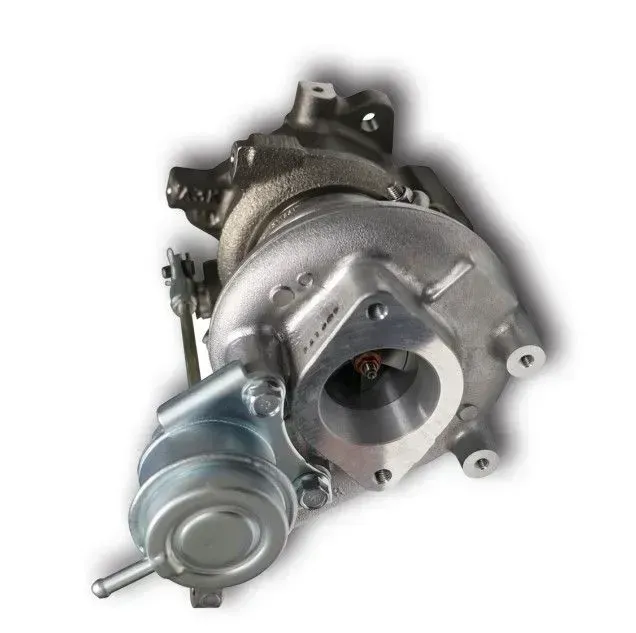
At Custom Sleepers, we are proud to partner with Jasper Engines and Transmissions as we are always looking for ways to provide our drivers with only the highest quality of service and products. JASPER recently announced the availability of a turbocharger for the 2011-2017 Nissan Juke that is equipped with a 1.6L engine.
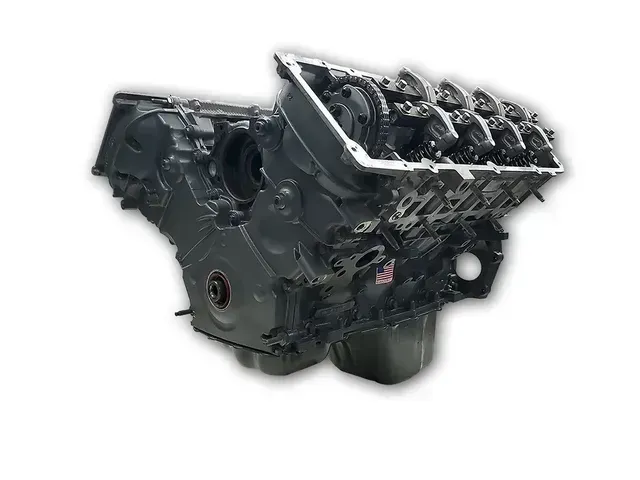
At Cusrtom Sleepers, we are always looking for ways to provide our drivers with the highest quality of service and products. That’s why we are proud to partner with the nation’s leader in remanufactured drivetrain products. Jasper Engines and Transmissions are consistently looking for ways to improve products. They recently announced that the Ford 6.2L engine would be available for the 2010-2014 Ford F150/Raptor, 2011-2019 Ford F250/F350, 2017-2020 Ford E350/E450, and the 2015-2020 Indmar Marine (Raptor Engine).